
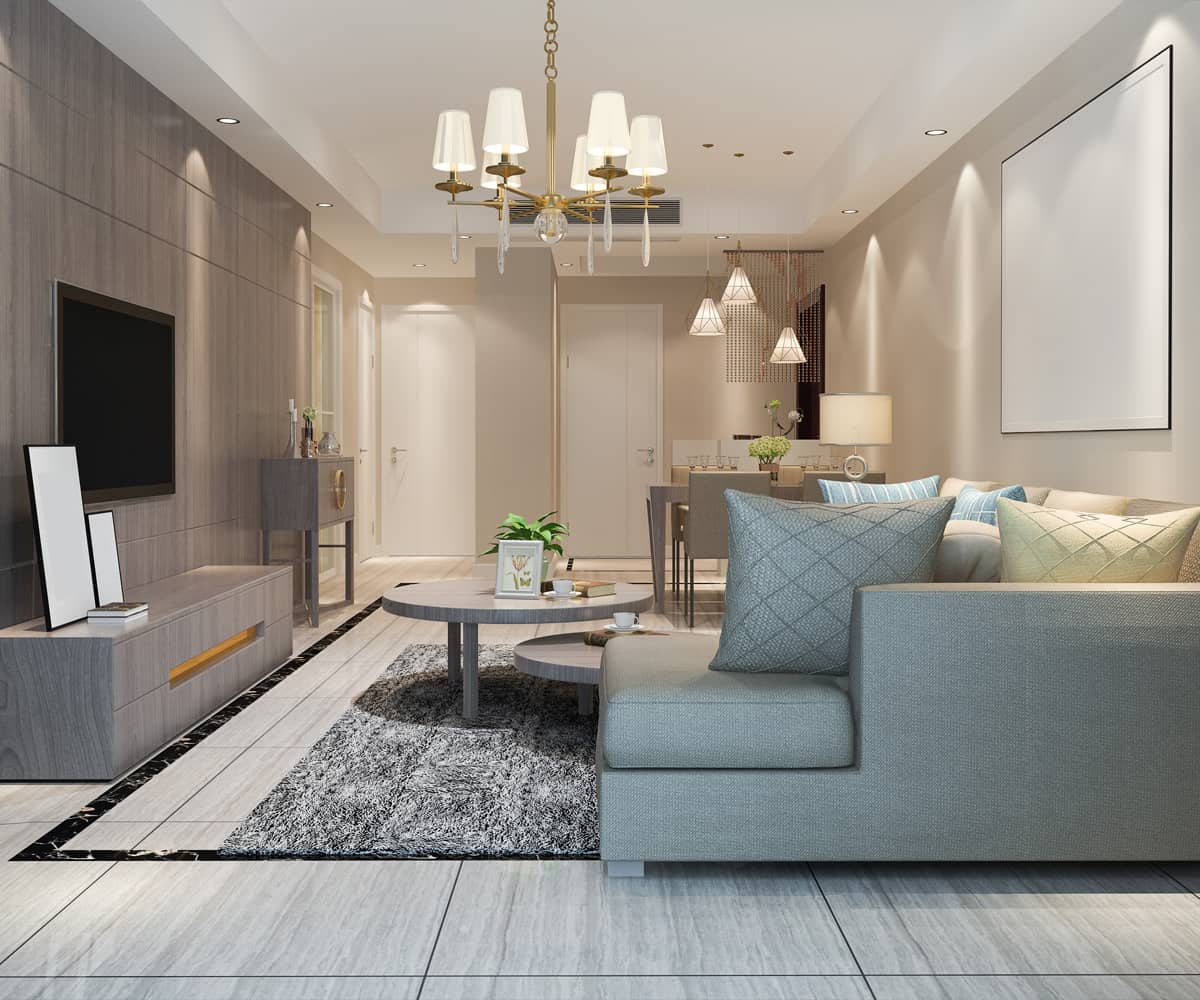
Reimagining Modern Living in San Diego
Urban living has evolved far beyond concrete skylines and crowded streets. Today, it’s about harmony—where architecture meets landscape, and city life blends seamlessly with nature. In a vibrant city like San Diego, this balance is not just a trend; it’s a way of life.
From innovative building designs to thoughtfully integrated green spaces, urban architecture is shaping how we experience our surroundings. Here’s a closer look at what makes modern urban landscapes truly incredible—and how they’re transforming homes and communities.
1. The Rise of Human-Centered Design
Great urban architecture starts with people.
Modern developments prioritize:
- Walkability and accessibility
- Natural light and open layouts
- Community-focused spaces
Instead of designing around structures alone, architects are now creating environments that enhance daily life—encouraging connection, movement, and well-being.
2. Blending Nature With Structure
One of the most exciting shifts in urban design is the integration of natural elements.
Think:
- Rooftop gardens and terraces
- Vertical greenery and living walls
- Courtyards and open-air lounges
In San Diego, where the climate is ideal year-round, incorporating greenery into architecture isn’t just aesthetic—it’s functional. It improves air quality, reduces heat, and creates calming environments within busy urban settings.
3. Sustainable and Eco-Friendly Innovation
Sustainability is no longer optional—it’s essential.
Today’s urban architecture often includes:
- Energy-efficient materials and systems
- Solar integration
- Water conservation features
- Smart building technologies
These elements not only reduce environmental impact but also lower long-term costs for homeowners and businesses.
4. Seamless Indoor-Outdoor Living
Incredible urban landscapes blur the lines between inside and outside.
Design features often include:
- Floor-to-ceiling glass walls
- Sliding or folding doors
- Outdoor kitchens and lounges
This approach expands living spaces and creates a natural flow—perfect for San Diego’s laid-back, outdoor-oriented lifestyle.
5. Iconic Skylines and Thoughtful Details
While large-scale architecture defines a city’s skyline, it’s the smaller details that create memorable experiences.
- Unique facades and textures
- Artistic lighting design
- Public art installations
- Pedestrian-friendly streetscapes
Together, these elements turn ordinary spaces into visually striking environments that inspire and engage.
6. Multi-Functional Urban Spaces
Modern cities demand flexibility.
Urban architecture now embraces:
- Mixed-use developments (residential, retail, office)
- Adaptive spaces that evolve with needs
- Smart layouts that maximize limited space
This approach allows communities to thrive while making efficient use of available land.
7. The Role of Landscaping in Urban Design
Landscaping is no longer an afterthought—it’s a core component of architecture.
Well-designed urban landscapes:
- Soften hard architectural lines
- Provide shade and cooling
- Create inviting communal areas
From tree-lined streets to curated pocket parks, landscaping enhances both the beauty and usability of urban environments.
8. Designing for Community and Connection
At its best, urban architecture brings people together.
Features like:
- Shared courtyards
- Outdoor seating areas
- Community gardens
…encourage interaction and foster a sense of belonging. In a fast-paced urban world, these spaces provide moments of pause and connection.
Final Thoughts
Incredible urban architecture is about more than bold designs—it’s about creating spaces that feel alive, functional, and deeply connected to their surroundings. In San Diego, where natural beauty meets innovative design, the possibilities are endless.
Whether you’re developing a property, redesigning your home, or simply seeking inspiration, embracing the principles of modern urban landscapes can elevate the way you live and experience your environment.
Looking to bring these ideas into your own space? Partner with experts who understand the art of blending architecture and landscape—and transform your vision into reality.